Turning an original piece of artwork into a professional print involves more than simply sending an image to a printer. The paper, file quality, colour settings and chosen finish can all affect how accurately the completed piece reflects the original. Making the right decisions at the start can help artists produce work suitable for sale, display, or exhibition.
Colourstream supports artists, photographers and illustrators in Alton with professional artwork printing for individual pieces and larger collections. Whether you are preparing your first print run or developing an established portfolio, understanding the process can help you achieve a more consistent and polished result.
What Should Artists Consider Before Printing Their Work?
The intended use of the finished print should guide many of the decisions you make. A print created for a local exhibition may require a different material or finish from one being sold online and posted directly to a customer. You should also consider the size of the work, the level of detail in the image, and whether it will be framed or displayed as is.
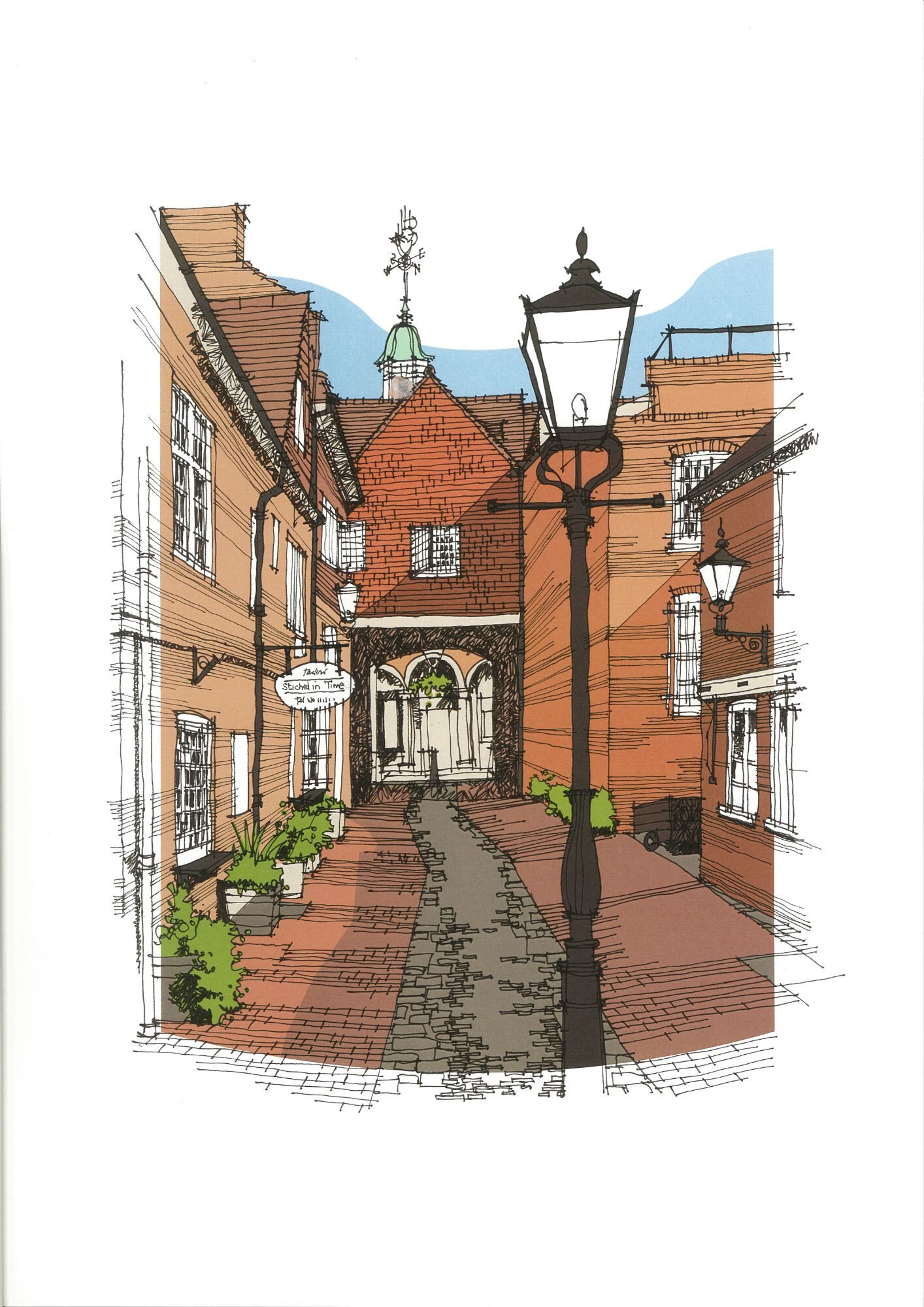
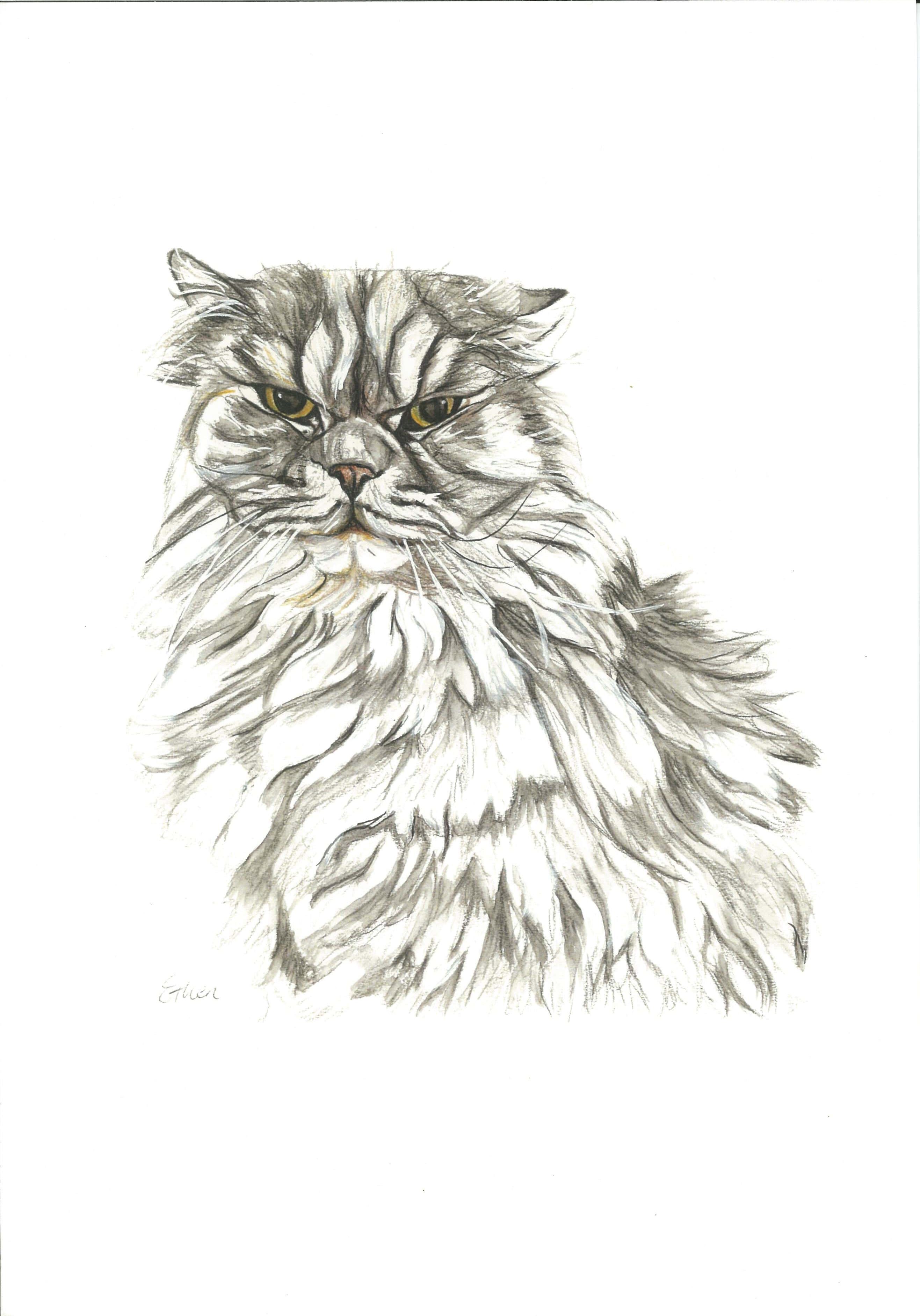
It is also worth thinking about the character of the original artwork. A soft watercolour may look best on a lightly textured paper, while a detailed digital illustration may benefit from a smooth surface that retains clear lines and strong contrast. Photography can require a different approach, particularly when tonal range and fine detail are important.
Before placing an order, consider:
- How the finished artwork will be used.
- The size of the original piece and the required print.
- Whether the artwork contains fine lines or subtle shading.
- The number of copies you are likely to need.
- Whether the print will be framed, mounted or sold unframed.
- How the finished pieces will be stored or transported.
- The budget available for paper, finishing and packaging.
Discussing these points with a professional printer can make the process much easier. Colourstream can explain the available options and help Alton artists choose a practical format that complements both the artwork and its intended purpose.
Choosing the Right Paper and Finish
The paper or material beneath the ink significantly affects the finished appearance. Smooth papers can preserve sharp lines and small details, making them suitable for graphic artwork, illustrations and certain photographic styles. Textured fine art papers can add character to paintings, sketches and other traditional work.
Artists can also choose between matte, satin and gloss finishes. Matte papers reduce reflections and are often chosen for artwork to be viewed under bright lighting. Satin provides a slight sheen without becoming highly reflective, while gloss can add depth and vibrancy to photography and bold designs. Canvas and Perspex may also be considered where a more substantial or contemporary presentation is required.
Preparing Artwork Files for Print
A high-quality file is essential when producing a professional art print. Images should normally be supplied at a minimum resolution of 300 DPI at the intended print size. Enlarging a low-resolution image can lead to visible pixelation, blurred lines and a loss of fine detail.
Artists should also check that the file is correctly cropped and free from unwanted marks around the edges. Scanned paintings and hand-drawn originals may require adjustment before they are ready for production. A professional printer in Alton can review the file, check its dimensions and identify any potential issues before the artwork reaches the press.
Understanding Colour Accuracy and Proofing
Colours can look different on a printed page than they do on a computer or phone screen. Screens produce colour using light, while printed artwork relies on ink and the surface of the chosen material. Screen brightness and display settings can therefore make an image appear more vivid than it does in the final print.
Professional colour management helps reduce unexpected differences and maintain a consistent appearance throughout a print run. Proofing can also be useful for artists producing limited editions, preparing exhibition work, or printing on a material they have not used before. Reviewing a proof gives you an opportunity to assess colour, detail and scale before approving the complete order.
Planning Print Quantities and Presentation
Artists do not always need to commit to a large print run. Short-run printing enables the production of a small quantity for an exhibition, market, or trial release. Single copies can also be created for commissions, gifts and portfolio use. If demand increases, further copies can then be produced using the approved file and specification.
Presentation should also be considered before printing begins. Some pieces may be supplied ready for framing, while others could require mounting, lamination or protective packaging. Artists selling work online should think about how each print will be protected during delivery. Taking these practical details into account can help ensure the artwork reaches the buyer in the condition expected.
Creating Prints for Exhibitions and Art Sales
Exhibitions give artists an opportunity to present a collection in a controlled setting, which makes consistency especially important. Prints displayed together should have a clear relationship in terms of size, paper choice and finish. Even when the artwork varies, a consistent production approach can make the wider collection feel more considered.
Artists preparing work for sale should also consider numbering, signing, and recording limited editions. The print size, paper type and edition quantity should remain consistent once the collection is released. Clear records can help artists manage future orders and provide buyers with accurate information about each piece.
For Professional Art Printing in Alton, Contact Colourstream Now
Colourstream provides professional art printing in Alton for artists, photographers, illustrators and creative businesses. From checking your files and selecting suitable paper to proofing, printing and finishing, our team can support you throughout the process. Contact Colourstream today to discuss your artwork, request a quotation and prepare your next print project.